

Skin cancer is now the most common form of cancer in the UK. The good news is, it’s also one of the most preventable. At The Skin Associates, we believe in acting early, staying vigilant and empowering patients with the tools and treatments to protect their skin for the long term.
As a consultant-led centre of excellence in skin cancer diagnosis and treatment, we don’t just treat cancer, we help prevent it. Whether you’re at high risk, concerned about a new or changing lesion or simply want peace of mind, our team is here to support you with expert screening, personalised care and, if needed, highly effective treatment.
Why skin cancer prevention matters
There are three main types of skin cancer: basal cell carcinoma (BCC), squamous cell carcinoma (SCC) and melanoma, with the latter being the most serious. Many of these are caused by cumulative sun exposure, especially in childhood or from years of unprotected time outdoors.
But it’s not just sun-seekers who are at risk. Skin cancer can affect anyone, regardless of age or skin type, especially those with:
-
- A history of sunburn or sun-bed use
-
- Fair skin, light eyes or hair
-
- A family or personal history of skin cancer
-
- A high number of moles or atypical lesions
-
- A job or lifestyle with regular and prolonged sun exposure
The earlier skin cancer is caught – or ideally, prevented altogether – the better the outcome.
Our services for skin cancer prevention
At The Skin Associates, we take a proactive approach to prevention, helping patients reduce risk, monitor change and take control of their skin health. Here’s how:
1. Mole checks and full skin screening
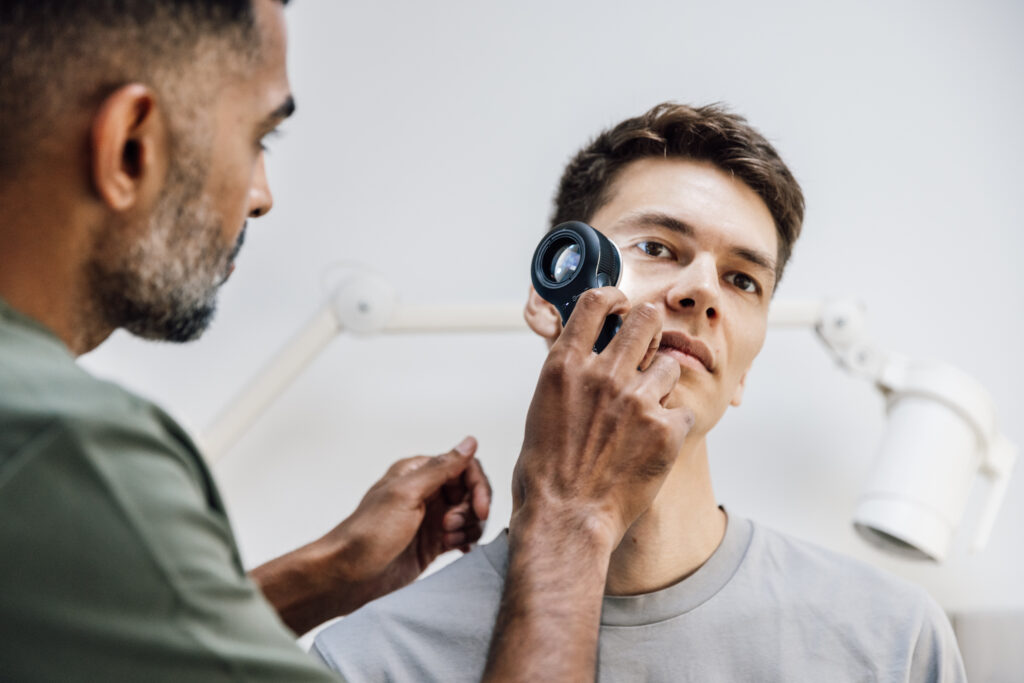
Early detection starts with expert observation. Our mole check and skin screening services are carried out by consultant dermatologists trained to identify even the subtlest signs of early skin cancer or pre-cancerous changes.
We offer:
-
- Full-body skin examinations
-
- High-resolution mole mapping
-
- Ongoing surveillance for at-risk patients
-
- Guidance on what to look out for at home
We also regularly review patients with undiagnosed rashes, atypical moles or sun-damaged skin, ensuring that no concern goes overlooked.
2. Topical treatments and prescribed medications
When caught early, some pre-cancerous lesions can be treated non-surgically using topical creams prescribed by your dermatologist. These treatments help to eliminate abnormal cells and reduce the risk of progression to skin cancer.
We also use prescription-strength retinoids and other compounds to improve cell turnover and reverse sun damage where appropriate, always as part of a personalised plan.
3. Laser therapy for pre-cancerous changes and sun damage
At The Skin Associates, we offer laser treatments not just for cosmetic improvement but also as a medically informed way to manage certain sun-damaged or pre-cancerous skin changes.
Laser resurfacing can:
-
- Remove damaged skin layers
-
- Stimulate collagen production
-
- Improve texture and tone after sun exposure
-
- Support the treatment of solar keratoses and sun-damaged skin that may be at risk of developing pre-cancerous changes
These treatments are performed by dermatologists trained in both surgical and laser dermatology, ensuring your care is safe, effective and tailored to your skin.
4. Patient education and long-term planning
Preventing skin cancer is not just about what happens in our clinic. It’s about how you protect your skin every day. We work with you to:
-
- Identify your personal risk factors
-
- Recommend sunscreen and skincare routines
-
- Offer lifestyle advice for UV protection
-
- Support regular self-examination and follow-ups
We also provide ongoing care for chronic conditions like eczema, psoriasis and rosacea, which can make skin more vulnerable to sun damage if untreated.
Why choose The Skin Associates?
Skin cancer prevention and treatment is at the core of what we do. Our consultants have trained at world-leading centres for skin cancer treatment, such as the St John’s Institute of Dermatology in London, and are highly sought after both nationally and internationally for their expertise in the prevention, diagnosis, treatment and surgical management of skin